 Bad data
Poor quality data from automated systems
Gaps, drift and failed communications leave holes that nobody sees until the month end.


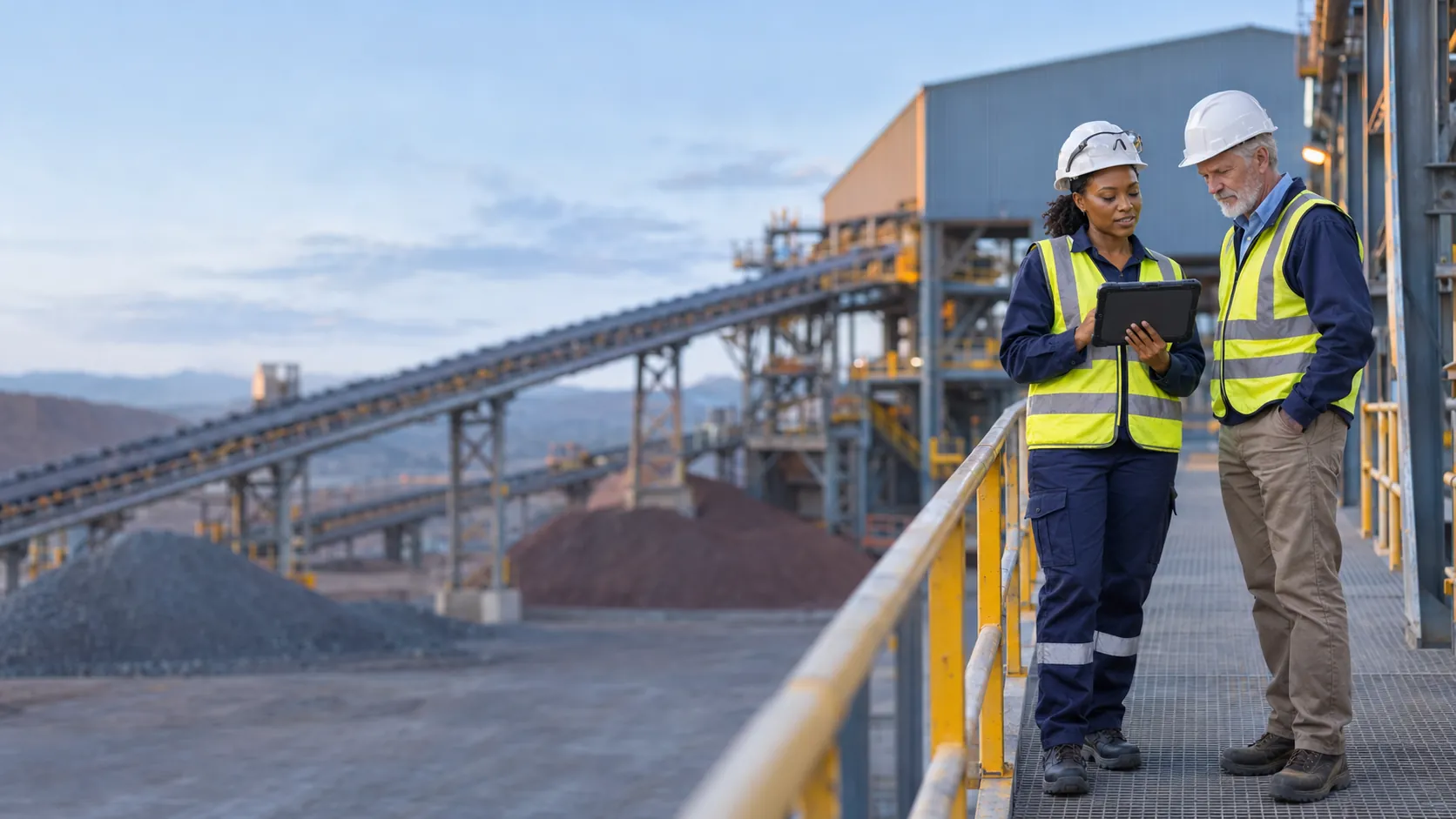
Mining · Industrial reporting
Mines produce a huge amount of automated data. ABI helps bring it together, check it every day and turn it into reports people trust.
Why mining teams talk to ABI
Instruments, telemetry and control systems log data all day. When values drop out or drift, the first sign is often a report that does not add up.
Bad dataGaps, drift and failed communications leave holes that nobody sees until the month end.
 Lost time
Engineers and metallurgists assemble figures instead of analysing them.
 Reporting
Every manual rebuild is another chance for a number to be wrong.
 Instruments drop out or drift and nobody notices until the report looks wrongEngineers and metallurgists spend hours gathering figures instead of analysing themThe same report is rebuilt by hand every monthRemote site data arrives with gaps and nobody knows why
What your team gets

With automated checks on instrument and plant data, which means problems show up the same day, not at month end.

With approval before data goes into a report, which means metallurgists and plant managers can stand behind the figures.

With production, metallurgy and telemetry data in one reporting path, which means more time acting on the numbers.
Where to start
Every site is different. These Presoris modules are a common first choice. ABI confirms the right mix after looking at your production.
Information people trust.
See Data Quality ManagementMore output, less waste and less downtime.
See Production Management
One trusted history of all your data, for better decisions.
See Data WarehouseA clear view of how you are performing.
See Reporting
Who it helps

Starts each shift with a list of exceptions instead of a pile of calls.
Works from checked results, with exceptions flagged.
Gets source faults with evidence, so repairs start sooner.
Reconciles production and cost from approved figures, with fewer queries back to the floor.
What ABI can offer a mining operation
Start with one report or one part of the plant. Add more when the first one proves itself.

Daily rules, exception reports and a review step before data is reported.

Bring SCADA, historians, lab and business systems into one place.

Daily, weekly and monthly reports built on approved data.

OEE shows how well equipment is used. See where time is lost and why, with figures the team agrees on.

Plant performance and recovery reporting your metallurgists can trust.

Reporting from remote sites, with gaps flagged instead of hidden.
Who we work with on site
Beyond production
Mining operations also report on air quality and environmental performance. Those numbers need the same discipline: collect them from the source, check them, and have the right person approve them before they are reported.

Factory and mine emissions that are collected, checked and reported with a clear record behind them.

Monitoring data that supports the environmental reports your site has to produce.
Questions worth asking early
No. ABI starts from the systems you already run. The first conversation maps what is collected today, where it is stored and who owns each source.
Yes, and that is usually the best way to begin. Choose the report that causes the most rework, prove the approach, then widen it.
Someone who owns the report, someone who knows the instruments and control system, and IT for access and hosting.

Start with one report
If you are ready to trust your mining reports without the rework, start with a short conversation. Tell ABI what you report, where the numbers come from and what happens when they do not line up.